9 Things You Should Never Bring to a Sober Living Home
- Gracious Wellsprings

- Jul 2
- 4 min read

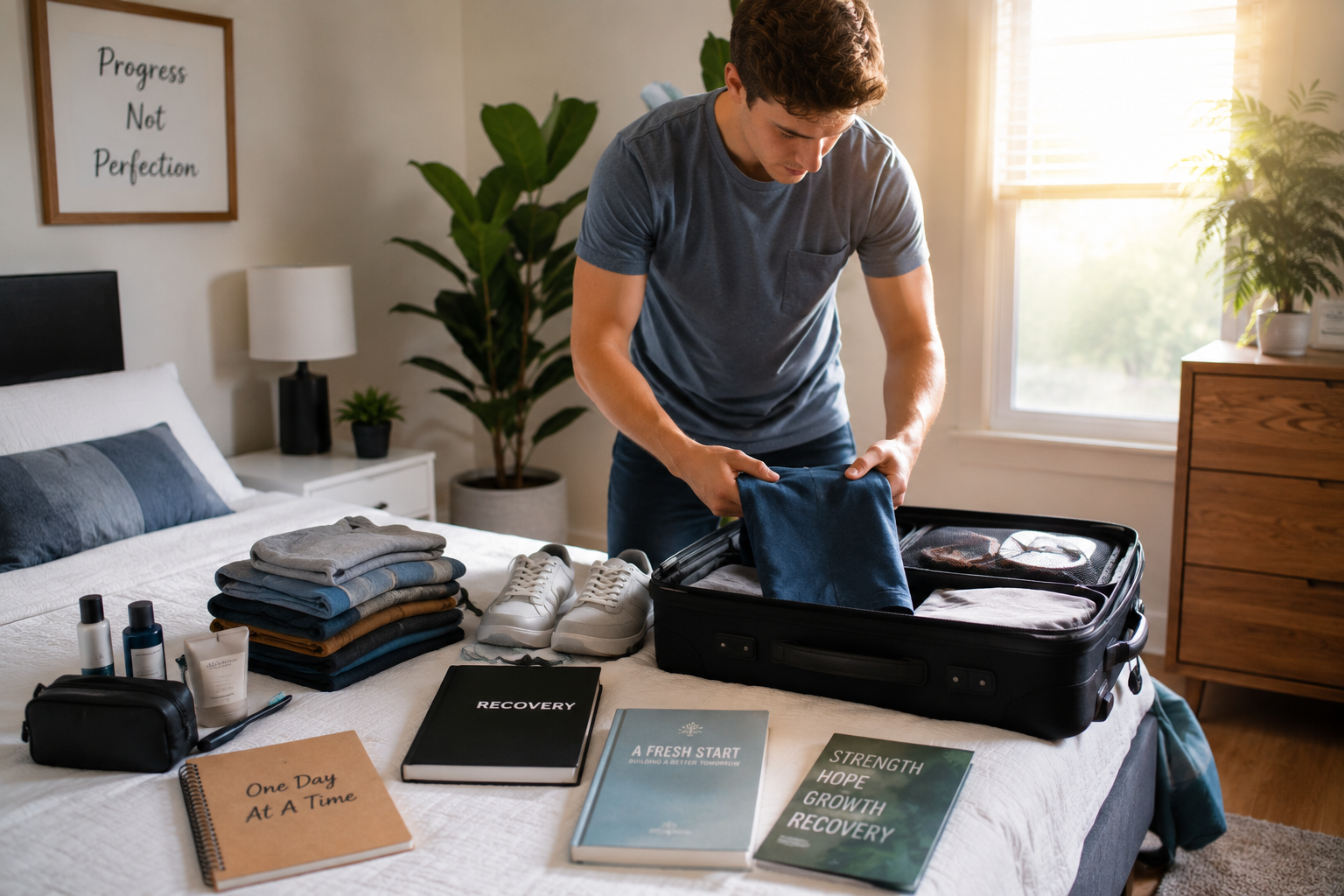
Preparing to move into a sober living home can feel both exciting and overwhelming. While many people focus on what to pack, it's equally important to understand what not to bring to sober living so you can start this new chapter with confidence.
Sober living homes are designed to provide a safe, supportive, and substance-free environment where residents can focus on recovery and personal growth. Bringing prohibited items, or even items that may trigger unhealthy habits, can make the transition more difficult for both you and your fellow residents.
If you're still deciding what to pack, check out our Sober Living Packing Guide for a complete checklist of recommended items to bring with you.
What Not to Bring to Sober Living: Understanding Common House Rules
Every sober living home has its own policies, but most share the same goal: creating an environment that promotes accountability, stability, and long-term recovery.
House rules are not intended to punish residents. Instead, they help eliminate distractions, reduce triggers, and create a supportive atmosphere where everyone can succeed.
Here are nine things you should leave behind before moving into a sober living home.
1. Alcohol, Drugs, and Drug Paraphernalia
This is the most important rule in any sober living environment. Never bring:
Alcohol
Illegal substances
Recreational drugs
Drug paraphernalia
Empty alcohol containers
Drinking accessories associated with past substance use
Maintaining a substance-free environment protects both your recovery and the recovery of those around you.
2. Products That Contain Alcohol
Many people are surprised to learn that certain everyday products contain alcohol. Examples include:
Some mouthwashes
Certain cough syrups
Specialty extracts
Certain personal care products
Policies vary by home, so it's always best to check with staff if you're unsure whether a product is permitted.
3. Unnecessary or Expired Medications
Prescription medications are often allowed when properly documented, but residents should avoid bringing:
Expired medications
Unused prescriptions
Old medications from previous treatments
Medications prescribed to someone else
Most sober living homes have medication policies in place to ensure resident safety and accountability.
4. Items Connected to Past Substance Use
Recovery often involves creating distance from reminders of previous behaviors. Consider leaving behind:
Shot glasses
Bar memorabilia
Party decorations
Drinking-themed clothing
Items associated with substance use
While these items may seem harmless, they can become unnecessary triggers during early recovery.
5. Excessive Valuables
Shared living environments are often safest when residents keep their belongings simple. Avoid bringing:
Large amounts of cash
Expensive jewelry
Rare collectibles
Electronics you don't regularly use
Bringing only what you need can reduce stress and help you focus on recovery rather than worrying about possessions.
6. Weapons or Dangerous Items
Most sober living homes prohibit:
Firearms
Ammunition
Tactical knives
Tasers
Other weapons
These policies exist to protect all residents and maintain a safe living environment.
7. Toxic Relationships and Negative Influences
Not everything you leave behind is a physical item. One of the most valuable lessons in recovery is learning to create healthy boundaries.
This may mean distancing yourself from:
Drinking buddies
Drug-related acquaintances
Toxic relationships
Individuals who don't support your recovery goals
Leaving behind unhealthy influences can significantly improve your chances of long-term success.
8. Unrealistic Expectations
Many residents enter sober living expecting immediate results. The truth is that recovery takes time.
You may experience:
Homesickness
Anxiety
Frustration
Self-doubt
Difficulty adjusting to new routines
These feelings are normal and often temporary. Recovery is a process, not a single event.
9. The Belief That You Have to Do Everything Alone
Many people enter recovery believing they should be able to handle everything on their own. In reality, recovery thrives on connection and support.
Attend meetings, engage with other residents, ask questions, and seek help when you need it. One of the biggest benefits of sober living is having a community that understands what you're going through.
Why These Rules Matter
Understanding what not to bring to sober living isn't about restrictions, it's about creating the best possible environment for recovery.
Each rule is designed to minimize distractions, reduce triggers, and help residents focus on building healthy routines and lasting sobriety. By respecting house policies and arriving prepared, you'll be setting yourself up for a smoother transition and a stronger foundation for recovery.
Focus on What You're Gaining
When preparing for sober living, it's easy to focus on what you're leaving behind. But the real opportunity lies in what you're gaining.
You're moving toward:
Stability
Accountability
Healthy routines
Supportive relationships
Personal growth
Long-term recovery
By understanding what not to bring to sober living, you can arrive prepared and focus your energy on building the life you deserve. Contact us if you or a loved one have questions about sober living.
FAQ's: What NOT to Bring To Sober Living:
Q: What is not allowed in a sober living home?
A: Most sober living homes prohibit alcohol, illegal drugs, drug paraphernalia, weapons, and items that may interfere with recovery. Specific rules vary by home.
Q: Can I bring prescription medication to sober living?
A: Yes. Most sober living homes allow prescribed medications when they are properly documented and taken as directed. Always bring medications in their original containers.
Q: What should I pack for sober living?
A: Most residents should bring clothing, toiletries, identification documents, medications, recovery materials, and other daily necessities. Our Sober Living Packing Guide provides a complete checklist.
Q: Can I bring my laptop or electronics to sober living?
A: Many sober living homes allow personal electronics such as laptops, phones, and tablets, though individual policies may vary.
Q: Why do sober living homes have rules about what you can bring?
A: These rules help create a safe, structured environment that supports sobriety, reduces triggers, and encourages accountability among residents.
Q: Can I have visitors while living in a sober living home?
A: Visitor policies vary by home. Some allow visitors during designated hours while others may have restrictions for new residents.
Q: What happens if I bring prohibited items into sober living?
A: Consequences vary depending on the house and the violation. Residents may be required to remove the item, face disciplinary action, or risk losing residency privileges.
Q: How do I prepare for my first day in sober living?
A: Review house rules, bring required documents, pack only approved items, and arrive with an open mind. Preparing in advance can help make the transition smoother.


Comments