Why Choose Gracious Wellsprings: A Path to Lasting Recovery
- Gracious Wellsprings

- Feb 15
- 4 min read
Updated: Mar 16
Choosing the right recovery home is a deeply personal and important decision. A supportive environment can make all the difference in building a strong foundation for long-term sobriety. Gracious Wellsprings offers more than just a place to live, it provides a compassionate, structured community designed to support healing, growth, and independence throughout every stage of recovery.
Located in Southern California, Gracious Wellsprings is committed to creating a safe, empowering space where individuals can rebuild their lives with dignity, purpose, and hope
What Sets Gracious Wellsprings Apart
There are many recovery housing options available, but Gracious Wellsprings stands out for its holistic, person-centered approach. Recovery here is not viewed as a one-size-fits-all process, but as a unique journey that deserves individualized care and attention.
Personalized Support Plans
Each resident receives a customized support plan tailored to their specific needs, challenges, and goals. This individualized approach ensures that care evolves alongside each person’s progress.
Check-Ins for Well-Being Assistance
Sustained recovery extends beyond sobriety. Gracious Wellsprings emphasizes the importance of being supported by resident managers who provide regular well-being check-ins and assist with managing day-to-day stressors, ensuring a holistic approach to long-term independence.
Strong Aftercare and Continued Support
Support does not end upon completion of the program. Gracious Wellsprings provides ongoing resources, connections, and guidance to help residents maintain stability and reduce the risk of relapse.
Safe, Accessible Location
Homes are located in secure, welcoming Southern California neighborhoods, offering convenient access to work, school, recovery meetings, and community resources.
Together, these elements create a recovery-focused environment that promotes accountability, confidence, and personal growth.

A Day in the Life at Gracious Wellsprings
Daily life at Gracious Wellsprings is designed to balance structure, connection, and personal responsibility. A typical day may include:
Morning Reflection and Group Check-Ins
Residents often begin the day with mindfulness practices or group discussions that encourage intention-setting, accountability, and community connection.
Healthy Meals and Physical Wellness
Nutritious meals and physical activity are encouraged as part of a holistic approach to healing the mind and body.
Evening Community Time and Reflection
Evenings provide opportunities for peer connection, reflection, or quiet time—helping residents wind down while reinforcing a sense of belonging and mutual support.
This consistent routine helps residents develop healthy habits that support long-term recovery and stability.
Why Gracious Wellsprings Is the Right Choice
Recovery requires more than shelter—it requires a supportive, intentional environment that encourages personal growth. Gracious Wellsprings combines compassionate care with structured accountability to create a space where individuals can focus fully on healing.
Key elements include:
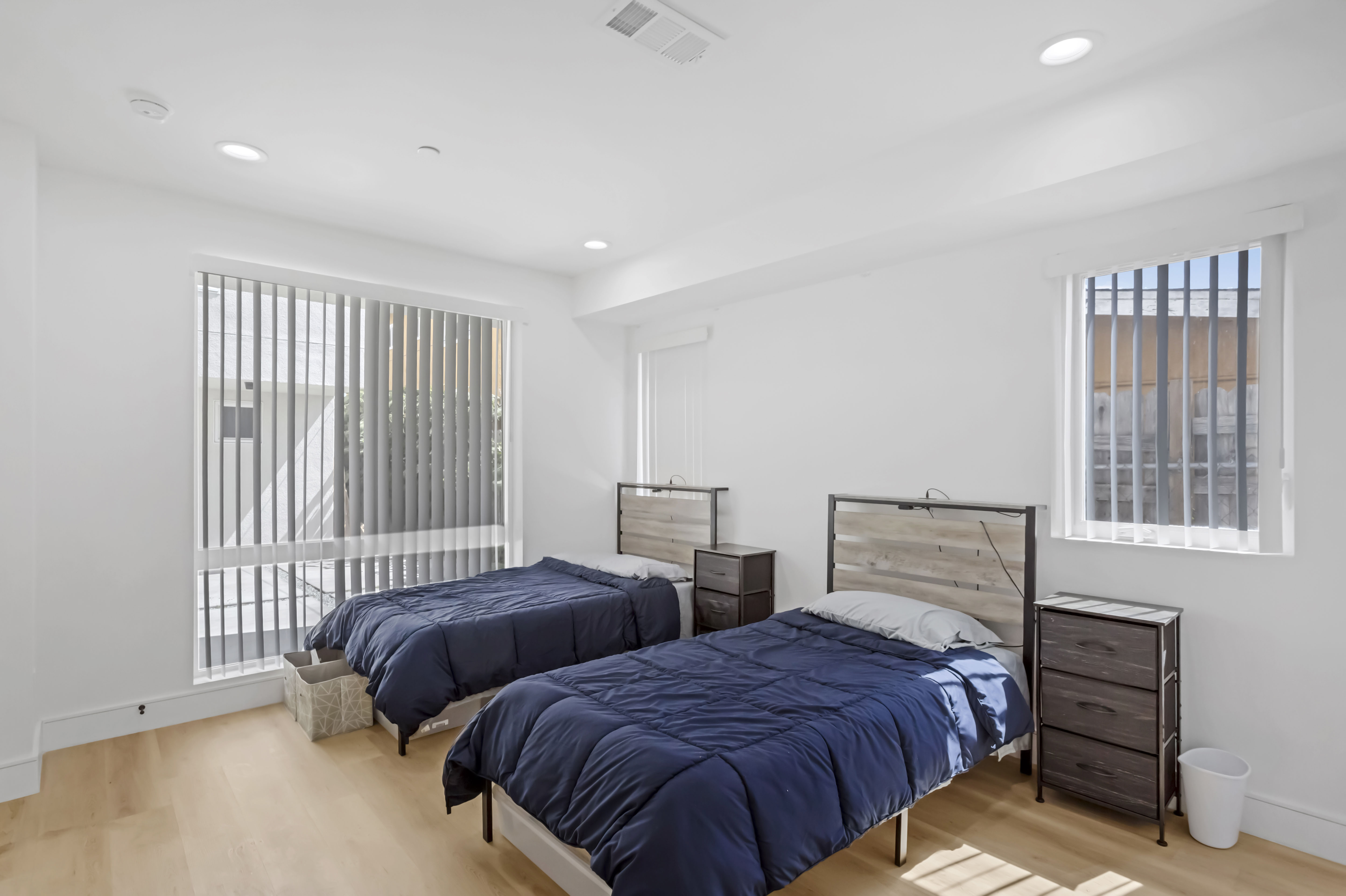
Safe and Comfortable Living Environments designed to feel calm, welcoming, and secure
Experienced, Compassionate Staff who understand the complexities of recovery and provide guidance with empathy and respect
Community-Centered Support that fosters connection, shared goals, and mutual encouragement
Holistic Care Philosophy addressing mental, emotional, and physical well-being—not just sobriety
This integrated approach helps residents build a strong foundation for lasting change.

Supporting Emotional and Mental Well-Being
Emotional and mental health are essential components of sustained recovery. Gracious Wellsprings prioritizes comprehensive support in these areas through:
Individual and Group Counseling
Professional counseling services help residents process emotions, develop healthy coping mechanisms, and navigate the challenges of recovery.
Peer Support Networks
Living alongside others on similar journeys fosters understanding, accountability, and encouragement.
Emphasis on Self-Compassion
Recovery is approached with patience and understanding, encouraging residents to build self-trust and resilience over time.
This supportive framework helps individuals strengthen emotional stability and confidence as they move forward.
Taking the Next Step Toward Recovery
Choosing a recovery home is a meaningful step toward a healthier, more stable future. Gracious Wellsprings is dedicated to walking alongside individuals as they navigate this transition, offering guidance, structure, and continued support.
Those considering Gracious Wellsprings are encouraged to:
Schedule a tour or consultation to learn more about the environment and approach
Ask questions about programming and support services to ensure alignment with personal needs
Consider comfort, safety, and community fit when making a decision
Discuss transition planning and aftercare options to support long-term success
Recovery is a journey, and having the right support system can make all the difference.
A Supportive Path Forward
With its compassionate approach, structured programming, and focus on long-term well-being, Gracious Wellsprings offers a recovery environment rooted in care, accountability, and hope.
For those seeking a supportive sober living community in Southern California, Gracious Wellsprings provides a path toward healing, growth, and new beginnings.
You deserve a place that supports your recovery and believes in your potential and Gracious Wellsprings is committed to being that place.
FAQ: Choosing a Sober Living Home in Los Angeles
Q: What should you look for when choosing a sober living home?
A: When choosing a sober living home, it’s important to look for structured routines, supportive community environments, experienced staff, and access to recovery resources. A stable, drug-free living environment with clear expectations and accountability can help support long-term sobriety.
Q: What is a typical day like in a sober living home?
A: Daily life in sober living often includes structured routines such as morning check-ins, recovery meetings, work or school responsibilities, and evening reflection or community time. These routines help residents build healthy habits and maintain accountability during recovery.
Q: How long do people stay in sober living homes?
A: The length of stay varies depending on each person’s recovery journey. Many individuals stay in sober living for several months to a year while building stability, routines, and independence after treatment.
Q: Why is structure important in sober living?
A: Structure provides stability during recovery by reducing stress, creating predictable routines, and helping residents develop healthy habits. Consistent schedules and community accountability can significantly improve long-term recovery outcomes.
Q: What makes a good sober living environment?
A: A strong sober living environment typically includes a supportive community, clear expectations, access to recovery resources, and safe, comfortable housing. Homes that emphasize accountability, personal growth, and emotional well-being tend to support long-term recovery success.
Q: What is the difference between sober living and rehab?
A: Rehab programs typically provide intensive treatment for substance use, while sober living homes offer structured, supportive housing where individuals can continue recovery while rebuilding routines, work, and independence.
Q: How does sober living help prevent relapse?
A: Sober living environments provide structure, peer accountability, drug-free housing, and access to recovery resources. These elements help individuals maintain stability and reduce exposure to triggers during early recovery.


Comments