Redefining “Fun” in Sobriety: Enjoying Life Without Substances
- Gracious Wellsprings

- 5 days ago
- 4 min read
Updated: 9 hours ago

One of the most common fears in early recovery is this:
“Will life be boring without substances?” For many people, alcohol or drugs were tied to celebration, relaxation, socializing, dating, travel, even simple weekends. Letting go of substances can feel like letting go of fun itself.
But sobriety doesn’t remove joy. It reshapes it. Redefining fun in recovery is not about forcing yourself to enjoy things you don’t. It’s about rediscovering what actually feels good, without the crash, regret, or consequences that once followed.
Here’s what that shift often looks like.
Why “Fun” Feels Different at First
In active addiction, substances artificially stimulate the brain’s reward system. Dopamine spikes. Stress drops (temporarily). Social anxiety softens. Energy rises. In early sobriety, your brain is recalibrating.
This can mean:
Activities feel less exciting at first
Social events feel awkward
Evenings feel longer
Boredom feels louder
This is normal. Your nervous system is learning how to experience pleasure and connection without chemical shortcuts. That adjustment takes time.
The key is patience and structure.
Sobriety Doesn’t Remove Joy — It Makes It Sustainable
Substance-based fun often follows a pattern:
Excitement → Escalation → Crash → Regret → Recovery → Repeat
Sober fun looks different:
Connection → Presence → Clarity → Stability → Energy the next day
It may feel quieter. But it lasts longer. And it doesn’t require damage control. Over time, many people find that sober experiences feel more authentic, because they’re actually there for them.
Rebuilding a Healthy Relationship with Enjoyment
Redefining fun in sobriety usually includes three shifts:
1. From Intensity to Presence
Early recovery often involves stepping away from high-intensity environments. Instead of chasing adrenaline or escape, fun becomes about being fully present.
That might look like:
Coffee with a friend without checking the clock
A beach walk at sunset
Cooking a meal from scratch
A spontaneous late-night conversation that you actually remember
The joy is subtler but deeper.
2. From Escaping Stress to Managing It
In active addiction, substances often masked stress. In sobriety, fun doesn’t mean escaping reality. It means learning to live well inside it.
Activities that support nervous system regulation often become the new foundation of enjoyment:
Exercise
Creative outlets
Music
Journaling
Group outings
Volunteering
Structured hobbies
Fun becomes something that restores you, not something you recover from.
3. From Isolation to Connection
Many people realize that what they thought was “fun” was actually about belonging.
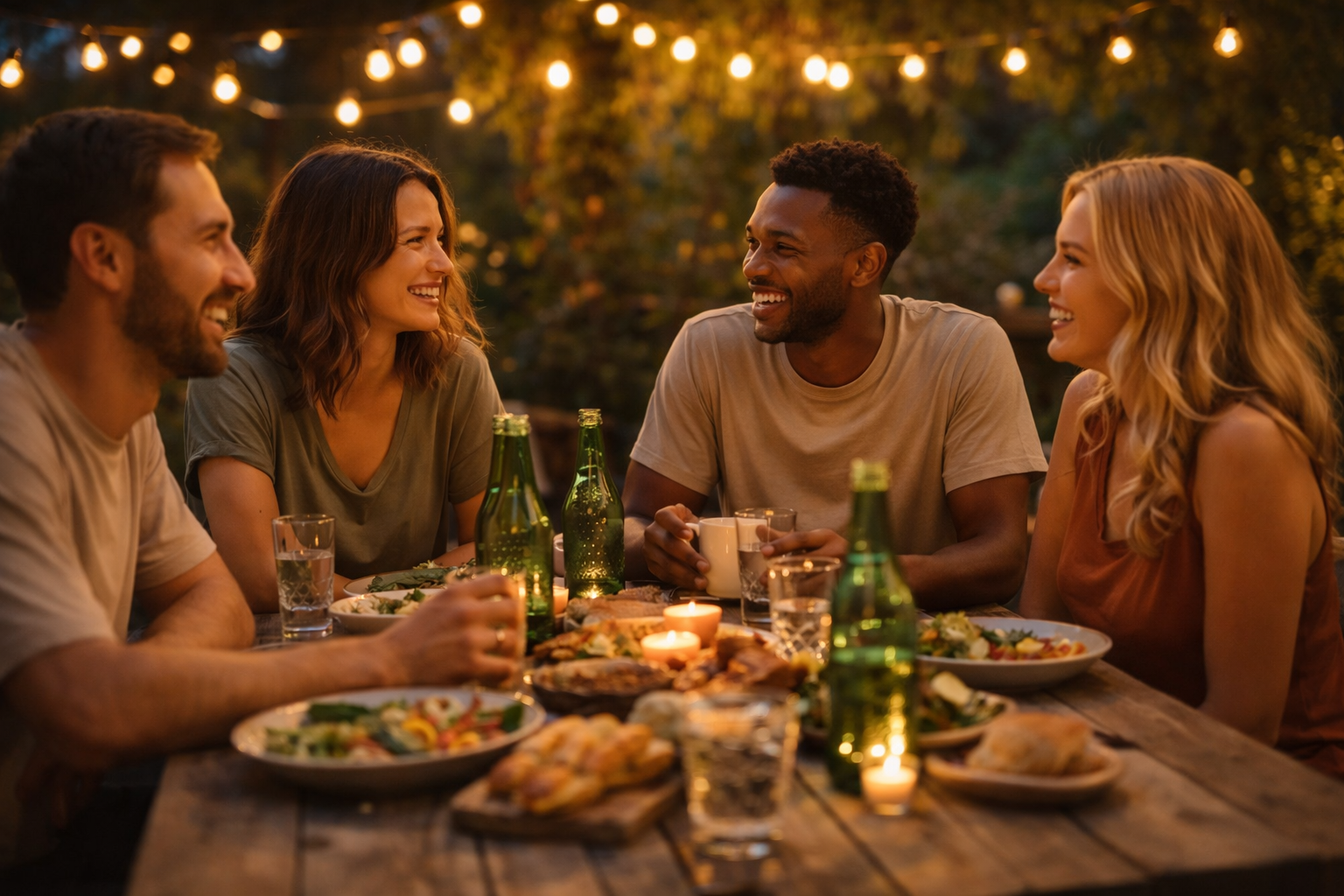
In sober living environments, connection becomes intentional. Shared meals. Group activities. Peer accountability. Open conversations.
Community transforms experiences that might feel flat alone into something meaningful together. At Gracious Wellsprings, structured sober living emphasizes community because recovery, and joy, thrive in connection.
What Sober Fun Can Actually Look Like
It doesn’t have to be dramatic. It might look like:
Weekend hikes in Southern California
Fitness classes
Game nights
Beach days
Trying new restaurants
Attending recovery events
Creative projects
Learning a new skill
Early morning routines that leave you energized
The difference is this: You wake up clear. You remember the night. You don’t feel shame afterward. That stability becomes part of the reward.
The Role of Structure in Enjoyment
It may sound counterintuitive, but structure supports fun. When your sleep is consistent, your meals are stable, and your environment is supportive, you have more energy for enjoyment.
In early recovery, unstructured time can feel risky. Boredom can become a trigger. Sober living environments reduce that risk by providing:
Daily expectations
Accountability
Peer engagement
Drug-free surroundings
Opportunities for healthy activities
Structure doesn’t limit freedom. It protects it.
Why Community Matters in Sobriety
Recovery is rarely a journey taken alone. Supportive environments, whether through recovery groups, community networks, or sober living homes, help individuals build connections that reinforce long-term sobriety.
Being surrounded by people who share similar goals can make social life in recovery feel natural, supportive, and enjoyable.
Building a Life That Feels Good — Without Substances
At Gracious Wellsprings, recovery is about more than abstinence. It’s about building structure, accountability, and connection so individuals can rediscover stability, and enjoyment, in everyday life.
Sober living provides the environment needed to rebuild confidence, reestablish routine, and experience connection without substances. Fun doesn’t disappear in sobriety. It evolves. And when it does, it lasts.
FAQ's: Redefining Fun in Sobriety
Q: How do people have fun in sobriety?
A: Many people rediscover fun in sobriety by exploring new hobbies, spending time outdoors, exercising, volunteering, or building meaningful social connections. Activities that promote creativity, movement, and community can make sober living feel rewarding and fulfilling.
Q: What are some fun sober activities to try?
A: Fun sober activities include hiking, group fitness classes, art or music workshops, traveling, volunteering, cooking, and joining community events. Many people also enjoy attending sober meetups or participating in wellness-focused activities.
Q: How do you socialize without alcohol?
A: Socializing without alcohol often involves finding activities or environments that don’t revolve around drinking, such as outdoor activities, coffee meetups, group fitness, or sober community events.
Q: Why is community important in sobriety?
A: Community plays a major role in long-term recovery because it provides support, accountability, and encouragement. Being surrounded by people who understand recovery can help individuals stay motivated and reduce feelings of isolation.
Q: How can sober living help someone enjoy life in recovery?
A: Sober living environments provide structure, peer support, and accountability that help individuals build healthy routines and relationships. This supportive environment allows people to focus on personal growth while rediscovering enjoyable activities in sobriety.


Comments