What Makes a Good Sober Living Home?
- Gracious Wellsprings

- 6 days ago
- 5 min read

Choosing a sober living home is an important decision during recovery. The right environment can help support structure, accountability, emotional wellness, and long-term stability while someone transitions back into everyday life.
For many individuals, a good sober living home provides more than just housing, it creates a safe, supportive environment focused on healing and rebuilding healthy routines.
At Gracious Wellsprings sober living in Los Angeles, the goal is to help residents feel supported through structure, community, and recovery-focused living.
Because every sober living home operates differently, it’s important to understand what qualities often make a sober living environment truly supportive and effective.
A Safe and Supportive Environment
One of the most important parts of a sober living home is the overall environment. A supportive recovery environment often includes:
clean and comfortable living spaces
respectful house culture
clear expectations
emotional safety
reduced exposure to triggers
accountability among residents
Feeling physically and emotionally safe can make a major difference during early recovery.
Structure and Accountability
Many people entering recovery benefit from consistency and routine. Healthy structure may include:
curfews
house meetings
recovery meeting participation
drug and alcohol policies
chore schedules
accountability expectations
Structure is not usually meant to feel restrictive. Instead, it often helps residents rebuild stability and healthier daily habits.
For many people, accountability becomes one of the most valuable parts of sober living because it creates consistency during a vulnerable stage of recovery.
A Sense of Community
Isolation can make recovery significantly harder. A good sober living home often encourages:
peer support
connection
communication
encouragement
shared accountability
Living alongside others who understand recovery can help reduce feelings of shame or loneliness while building a stronger sense of belonging. Many residents discover that community becomes one of the most healing parts of the sober living experience.
Encouragement Toward Independence
A common misconception is that sober living removes independence. In reality, many sober living homes are designed to help residents gradually rebuild independence in a supportive environment.
A healthy sober living environment often encourages residents to:
work jobs
attend school
volunteer
rebuild routines
manage responsibilities
strengthen life skills
The goal is often to help residents transition toward greater stability and self-sufficiency over time.
Clear Expectations and House Rules
Strong sober living homes typically communicate expectations clearly from the beginning. This may include guidelines around:
sobriety requirements
guest policies
cleanliness
participation
respectful behavior
curfews
Clear communication helps create fairness, consistency, and accountability within the home.
Recovery-Focused Support
Many sober living homes encourage ongoing recovery participation through:
AA or NA meetings
outpatient programs
therapy
wellness routines
peer accountability
mentorship
While every recovery journey is different, continued support systems often help strengthen long-term recovery and emotional wellness.
Cleanliness and Organization
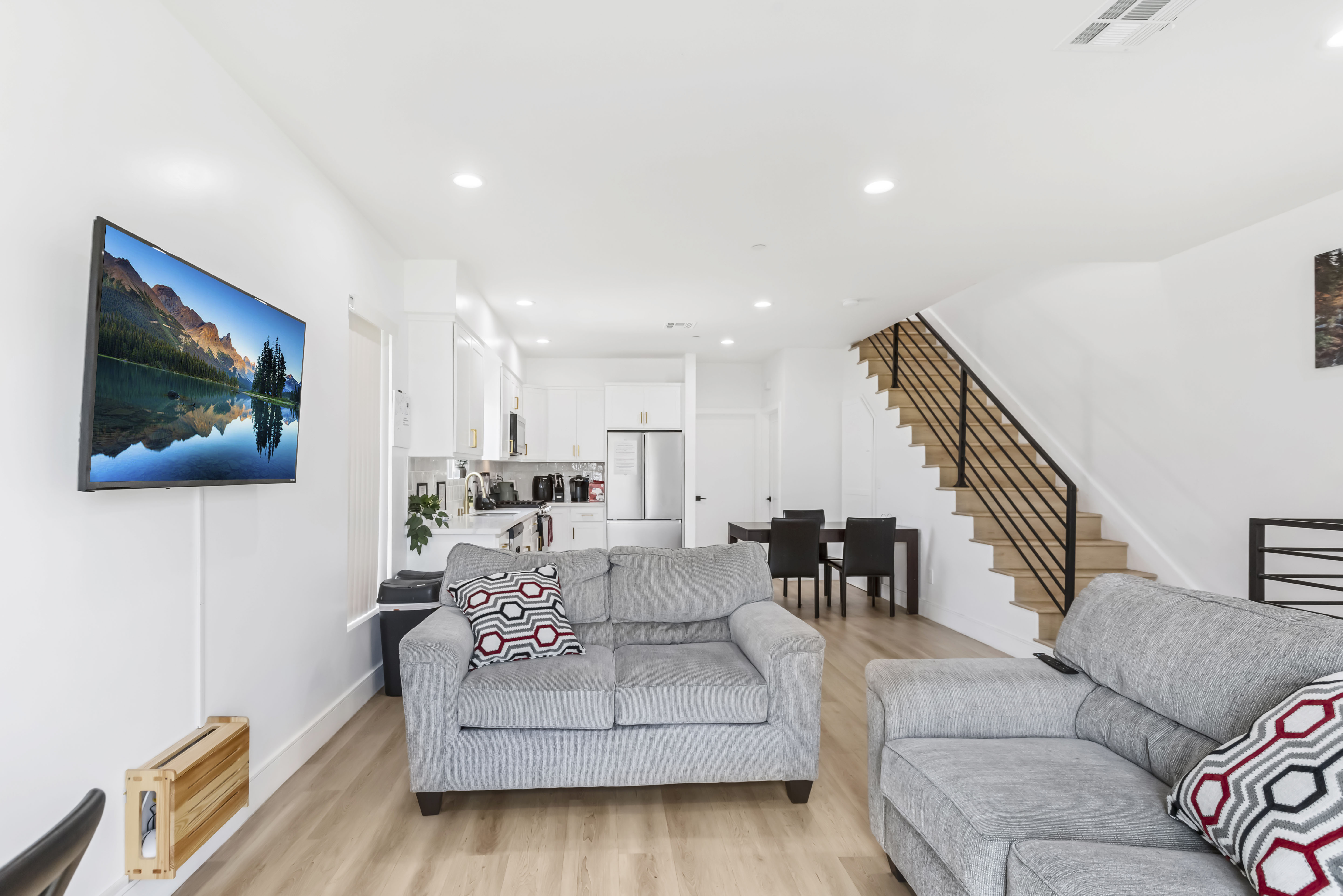
The physical environment matters more than many people realize. A well-maintained sober living home often reflects:
stability
consistency
respect for shared spaces
healthy routines
pride in the recovery environment
Simple things like organized common areas, clean bedrooms, and calm shared spaces can help create a stronger sense of peace and emotional stability.
Emotional Support Without Judgment
Recovery can already bring feelings of shame, fear, or vulnerability. A good sober living home should feel supportive rather than judgmental. Healthy recovery environments often encourage:
compassion
accountability without humiliation
open communication
emotional growth
mutual respect
Many residents begin rebuilding confidence when they feel understood and supported rather than criticized.
Stability During Transition Periods
The transition after detox, rehab, or active addiction can feel overwhelming. Sober living often helps bridge the gap between treatment and fully independent living by providing:
structure
accountability
community
routine
emotional support
recovery-focused living
For many people, this transitional support becomes an important foundation for long-term healing.
Questions to Ask Before Choosing a Sober Living Home
When researching sober living options, it may help to ask questions such as:
What are the house rules?
Is recovery meeting participation encouraged?
What does accountability look like?
What is the living environment like?
Are residents encouraged to work or attend school?
How does the home handle relapse situations?
What type of support systems are available?
How many people live in the home?
What is the overall culture and atmosphere?
Asking thoughtful questions can help individuals find an environment that feels aligned with their recovery goals and personal needs.
Recovery Looks Different for Everyone
There is no single “perfect” recovery path. Some individuals may benefit from highly structured sober living environments, while others may need more flexibility as they rebuild independence.
The most important thing is finding a sober living home that feels:
safe
supportive
stable
recovery-focused
respectful
encouraging
Healing often happens gradually through consistency, connection, and healthy routines over time.
Conclusion
Choosing the right sober living environment can play an important role in supporting recovery, rebuilding routines, and creating long-term stability.
For many people, what makes a good sober living home comes down to structure, accountability, emotional support, community, and a safe environment focused on healing and growth.
Contact us today if you or a loved one are exploring sober living options. The Gracious Wellsprings team is available to answer questions, provide guidance, and help you learn more about supportive recovery living in Los Angeles.
FAQ: Choosing a Sober Living Home
Q: What is a sober living home?
A: A sober living home is a structured, substance-free living environment designed to support people during recovery while helping them rebuild healthy routines and independence.
Q: What should I look for in a sober living home?
A: Important qualities may include:
structure
accountability
clean living spaces
supportive community
recovery-focused environment
clear house expectations
Q: Are sober living homes restrictive?
A: Most sober living homes have rules and structure, but many residents still work, attend school, exercise, and maintain daily responsibilities while living there.
Q: Do sober living homes require meetings?
A: Policies vary by home, but many encourage participation in recovery meetings, therapy, outpatient treatment, or wellness-focused programs.
Q: Can sober living help after rehab?
A: Yes. Many people use sober living as a transition between inpatient treatment and fully independent living.
Q: What questions should I ask before moving into sober living?
A: Helpful questions may include:
What are the house rules?
What does accountability look like?
Is recovery participation encouraged?
What is the living environment like?
Are residents working or attending school?
Q: How long do people stay in sober living?
A: Length of stay varies depending on the individual. Some people stay for a few months while others benefit from longer-term support.
Q: Can you work while living in sober living?
A: In many cases, yes. Many sober living homes encourage residents to rebuild independence through work, school, volunteering, or other responsibilities.
Q: What are the benefits of sober living?
A: Potential benefits include:
structure
accountability
peer support
healthier routines
emotional stability
reduced isolation
gradual rebuilding of independence
Q: Is sober living the same as rehab?
A: No. Sober living is generally more independent than inpatient rehab while still providing structure and accountability within a recovery-focused environment.


Comments