7 Things Most People Don’t Expect About Living in a Sober Living Home
- Gracious Wellsprings

- May 21
- 4 min read

When people hear “sober living,” they often picture something rigid, clinical, or restrictive.
The reality? It’s usually the opposite.
A sober living home is designed to support independence, structure, and real-life recovery, not isolate you from it. But there are a few things most people don’t expect until they experience it firsthand.
If you or a loved one is considering sober living, here are seven realities that might surprise you, in a good way.
1. Sober Living Feels More Like a Home Than a Program
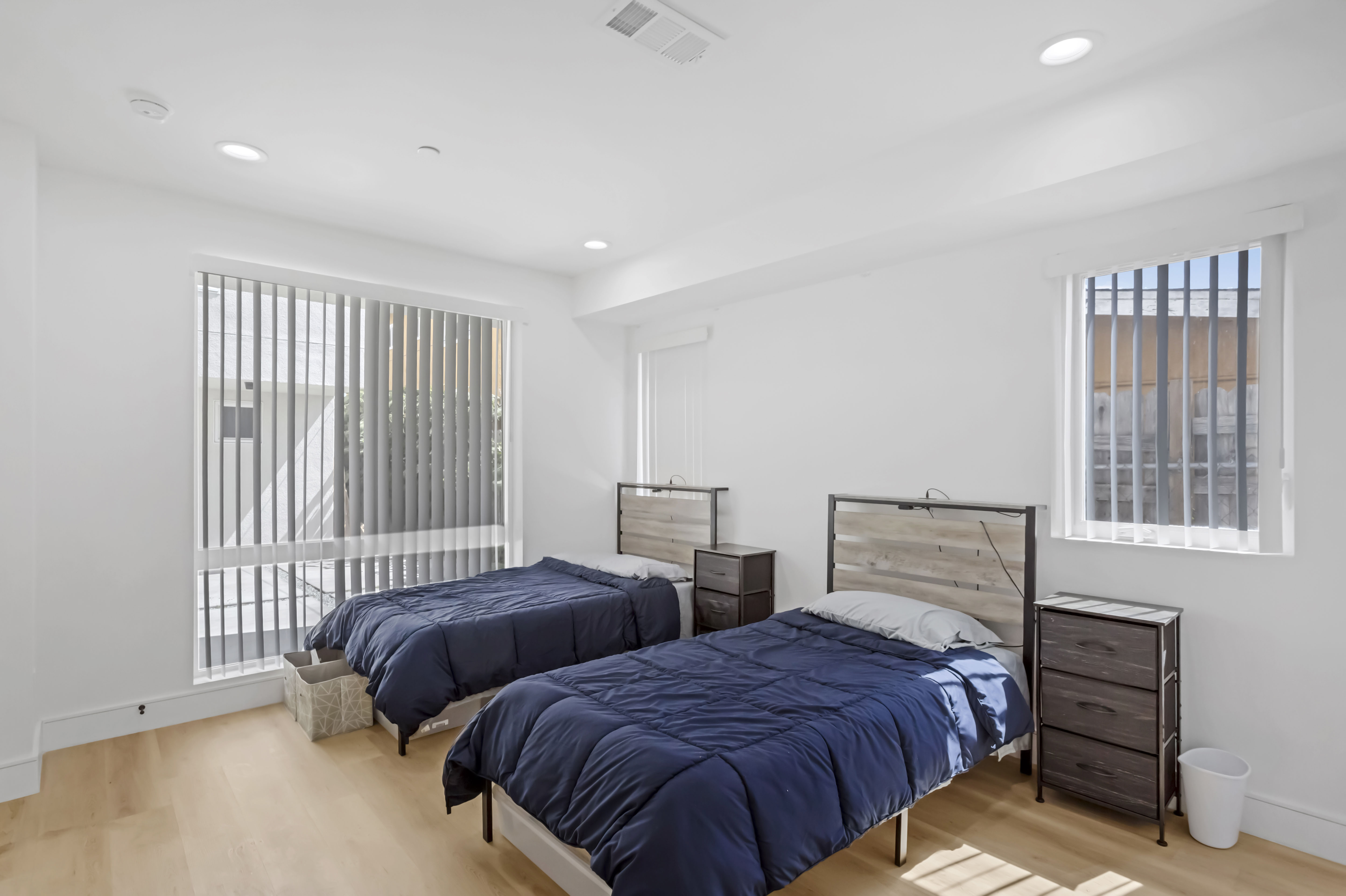
One of the biggest misconceptions is that sober living feels like treatment. It doesn’t.
Most sober living homes are:
Comfortable, shared houses
Located in residential neighborhoods
Designed to feel calm, safe, and lived-in
You’re not in a facility, you’re in a home environment where recovery happens alongside everyday life. At Gracious Wellsprings, creating a space that feels both structured and welcoming is a priority, because environment matters more than people think.
2. You Still Have Freedom—With Accountability
Sober living isn’t about restriction, it’s about balance.
Residents typically:
Go to work or school
Run errands independently
Maintain personal responsibilities
At the same time, there are expectations:
Curfews
Drug and alcohol testing
House meetings
Participation in recovery activities
This combination of freedom + accountability helps rebuild trust, with yourself and others.
3. The Structure Is Actually a Relief
At first glance, rules and routines can feel limiting. In practice? They’re grounding.
Structure removes a lot of the chaos that often fuels addiction:
You know what your day looks like
You have consistent expectations
You’re not constantly making stressful decisions
For many people, this becomes one of the most stabilizing parts of sober living.
4. You’re Not Doing It Alone
Recovery can feel isolating, but sober living changes that.
You’re surrounded by people who:
Understand what you’re going through
Are working toward the same goal
Can support you in real time
That kind of built-in community is hard to replicate on your own.
5. Growth Happens in Everyday Moments
It’s easy to think recovery happens in big, dramatic breakthroughs.
More often, it happens in small, daily moments:
Choosing to communicate instead of shut down
Handling stress without reacting impulsively
Showing up for responsibilities
Sober living gives you a safe environment to practice those moments, over and over again. That repetition is what builds lasting change.
6. It Prepares You for Real Life—Not Just Sobriety
Sober living isn’t meant to be permanent. It’s a bridge.
The goal is to help you:
Rebuild routines
Strengthen decision-making
Develop coping skills
Transition back into independent living
Unlike inpatient treatment, you’re actively navigating real-world situations while still having support. That’s what makes it so effective.
7. It’s Not Always Easy—But It’s Worth It
Let’s be honest, living in a sober home isn’t effortless.
There will be challenges:
Adjusting to structure
Living with others
Facing emotions without numbing them
But those challenges are also where growth happens. Because for the first time, you’re not avoiding discomfort, you’re learning how to move through it. And that’s where real recovery begins.
Is Sober Living Right for You?
Sober living can be a powerful next step if you:
Recently completed treatment
Need additional structure and support
Want to strengthen your recovery foundation
Aren’t ready to return to a fully independent environment
It’s not about starting over, it’s about building something stronger. If you’re exploring your options, you can learn more about our sober living program or contact our team to find the right fit.
Final Thoughts: The Things That Surprise You Are Often What Help You Most
Most people walk into sober living expecting rules and restrictions.
What they find instead is:
Stability
Support
Growth
A path forward
The things you don’t expect, structure, connection, accountability, are often the exact things that make recovery sustainable.
FAQ: Sober Living Homes
Q: What is a sober living home?
A: A sober living home is a structured, substance-free living environment designed to support individuals in recovery as they transition back to independent life.
Q: How is sober living different from rehab?
A: Rehab (inpatient treatment) is more intensive and clinical. Sober living is less restrictive and focuses on maintaining sobriety while reintegrating into daily life.
Q: How long do people stay in sober living homes?
A: Length of stay varies, but many people stay between a few months to a year depending on their needs and progress.
Q: Do sober living homes have rules?
A: Yes. Most homes have guidelines such as curfews, drug testing, and participation in meetings to help maintain accountability and structure.
Q: Can you work while living in a sober living home?
A: Yes. Many residents work, attend school, or pursue other responsibilities while living in sober housing.
Q: Are sober living homes effective?
A: Sober living homes can significantly improve long-term recovery outcomes by providing structure, community, and support during a critical transition period.
Q: How do I choose the right sober living home?
A: Look for a home that offers structure, a supportive environment, clear expectations, and alignment with your recovery goals.


Comments