top of page

Rebuilding Your Social Life in Recovery: The Importance of Connection

  • Writer: Gracious Wellsprings
    Gracious Wellsprings
  • Feb 11
  • 6 min read

Updated: 3 days ago

rebuilding your social life in recovery

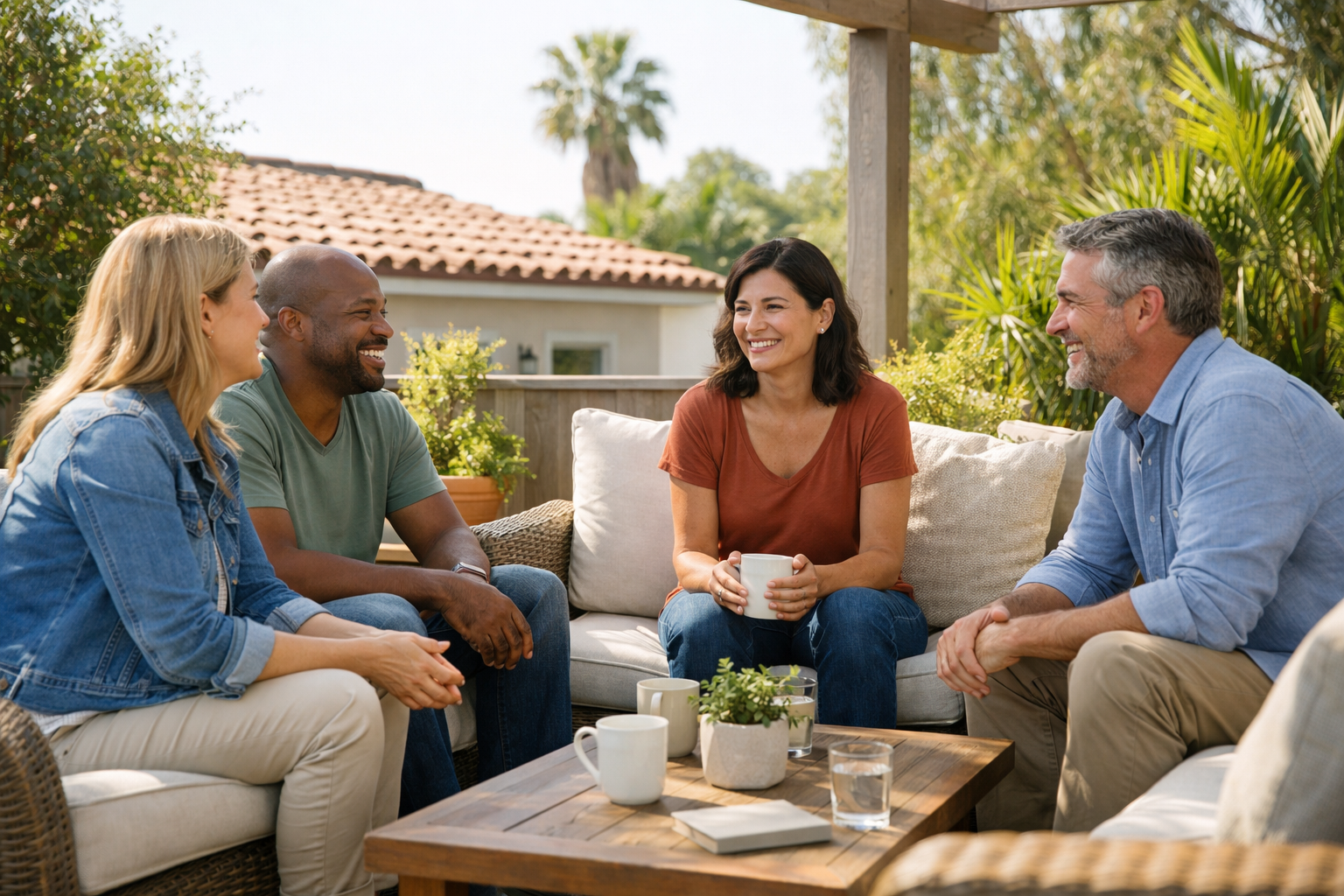
One of the most overlooked and challenging parts of recovery is rebuilding a social life. For many, substance use was deeply intertwined with friendships, routines, and social spaces. When sobriety begins, those familiar connections often no longer feel supportive or safe. This can leave individuals feeling isolated, uncertain, or unsure of where they belong.


Building new social circles in a sober environment is not just helpful; it is essential for long-term recovery. Healthy relationships provide accountability, emotional support, and a sense of belonging that reinforces sobriety.


Sober living is intentionally designed to foster these connections, creating a community where individuals can rebuild their social lives in ways that support growth, stability, and independence.


Why Social Connection Matters in Recovery


Human connection plays a critical role in emotional and mental well-being. In recovery, supportive relationships can be the difference between feeling overwhelmed and feeling grounded.


Positive social circles help individuals:

  • Reduce feelings of loneliness and isolation

  • Build accountability and consistency

  • Develop healthier communication skills

  • Experience joy and connection without substances


Conversely, remaining connected to environments or relationships centered around substance use can increase the risk of relapse. Recovery often requires not only changing habits but also reshaping social environments.


A sober living community provides a bridge between treatment and independent living, offering structure while allowing residents to practice building healthy relationships in real-world settings.


The Challenges of Building New Social Circles While Sober


Creating new friendships in sobriety can feel intimidating. Many individuals face common challenges such as:


  • Letting Go of Old Relationships: Some friendships may no longer align with sobriety goals. While this loss can be painful, it often creates space for healthier connections.

  • Social Anxiety and Self-Doubt: Without substances as a social crutch, people may feel unsure of how to engage, communicate, or relax in social settings.

  • Fear of Judgment or Stigma: Concerns about being open about recovery can make it difficult to connect authentically with others.

  • Uncertainty About Where to Meet People: Bars, parties, and nightlife may have been primary social outlets in the past. Finding new, sober-friendly spaces takes time and intention.


How a Sober Living Environment Supports Healthy Social Growth


Sober living environments play a unique role in recovery by combining independence with accountability. At Gracious Wellsprings, social connection is not left to chance; it is intentionally woven into daily life.


Built-In Community from Day One


  • Living alongside others who are also committed to recovery creates an immediate sense of shared understanding. Residents are surrounded by peers who understand the challenges of sobriety firsthand, reducing feelings of isolation and “otherness.”

  • This built-in community helps residents practice forming relationships rooted in honesty, empathy, and mutual support.


Shared Routines and Responsibilities


  • Daily routines such as shared meals, house meetings, and group activities naturally encourage interaction and collaboration. These shared experiences foster trust, communication, and a sense of belonging without pressure or forced socialization.

  • Over time, residents learn how to show up consistently for themselves and others.


Peer Accountability and Encouragement


  • Healthy social circles in recovery are built on accountability. At Gracious Wellsprings, residents support one another through encouragement, shared goals, and respectful accountability. This peer dynamic reinforces sobriety while promoting personal responsibility.

  • Rather than enabling unhealthy behaviors, relationships within the home are designed to support growth and stability.


Learning How to Socialize Without Substances


One of the most empowering aspects of recovery is discovering that meaningful connection does not require alcohol or drugs. However, this realization often takes practice.


Gracious Wellsprings supports this learning process by:

  • Encouraging sober social activities

  • Creating spaces for open conversation and reflection

  • Supporting residents as they navigate social discomfort or anxiety

  • Reinforcing that connection improves with time and experience


As residents become more comfortable socializing sober, confidence grows, and relationships become more authentic.


rebuilding your social life in recovery

Developing Communication and Emotional Skills


Healthy relationships rely on communication, boundaries, and emotional awareness—skills that may not have been fully developed during active substance use.


Within the supportive structure of sober living homes, residents are encouraged to:

  • Practice honest communication

  • Express needs and boundaries respectfully

  • Navigate conflict in healthy ways

  • Build emotional awareness and empathy


These skills not only strengthen relationships within the sober living environment but also prepare residents for connections beyond it.


Expanding Social Circles Beyond the Home


While community within the home is essential, long-term recovery also involves building connections outside of sober living. Gracious Wellsprings supports this transition by encouraging involvement in:


  • Recovery meetings and peer support groups

  • Employment, education, or volunteer opportunities

  • Wellness-focused activities such as fitness, mindfulness, or creative pursuits

  • Local community events that align with sober values


Residents are supported as they explore new interests and environments, helping them build fulfilling lives that extend beyond recovery housing.


The Role of Structure in Social Stability


Structure is often misunderstood as restrictive, but in recovery, structure creates safety and freedom. Clear expectations and routines reduce chaos and allow residents to focus on building healthy habits, including social ones.


Structure helps residents:

  • Maintain consistency in daily life

  • Balance social time with personal responsibility

  • Avoid high-risk situations early in recovery

  • Develop confidence in decision-making


This stability creates a strong foundation for forming and maintaining supportive social circles.


Building Confidence Through Belonging


Belonging is a powerful force in recovery. Feeling accepted, understood, and valued strengthens self-worth and motivation. Gracious Wellsprings fosters an environment where individuals are encouraged to be seen as whole people—not defined by their past.


As residents build confidence within the community, they are better equipped to form healthy relationships elsewhere. This sense of belonging reinforces the belief that sobriety is not a limitation but a pathway to deeper connection.


Long-Term Benefits of Sober Social Circles


Developing sober social circles has lasting benefits well beyond the initial stages of recovery. These relationships help individuals:

  • Sustain long-term sobriety

  • Navigate life transitions with support

  • Reduce relapse risk during stressful periods

  • Build fulfilling, purpose-driven lives


Gracious Wellsprings understands that recovery is not just about abstaining from substances; it is about creating a life worth staying sober for.


How Gracious Wellsprings Creates a Supportive Social Environment


Gracious Wellsprings is intentionally designed to support social growth through:

  • A community-centered sober living model

  • Structured routines that encourage connection

  • Emphasis on accountability and mutual respect

  • Support for emotional, mental, and social well-being

  • Guidance in building independence while maintaining support


This environment allows residents to practice real-world social skills in a safe, recovery-focused setting.


Moving Forward with Connection and Confidence


Building new social circles in a sober environment takes time, patience, and support. It is a gradual process—one that unfolds through shared experiences, honest communication, and consistent effort.


Gracious Wellsprings provides the structure and community necessary for this transformation. By fostering connection, accountability, and belonging, it helps individuals move forward with confidence, knowing they are not alone in their recovery journey.


For those seeking a supportive sober living environment in Southern California, Gracious Wellsprings offers more than housing. It offers a community where healthy relationships can grow and where recovery is supported not only individually but together.


Embracing New Connections


As we navigate the journey of recovery, embracing new connections can be transformative. Each new relationship can serve as a stepping stone towards a fulfilling life. By participating in sober activities and engaging with like-minded individuals, we can cultivate a network that uplifts and inspires us.


Let’s take this opportunity to explore new friendships and create lasting bonds. Remember, you are not alone in this journey. Together, we can build a supportive community that thrives on connection and shared experiences.


FAQ: Building a Social Life in Sobriety


Q: How do people make new friends in sobriety?

A: Many people build new friendships in sobriety through recovery meetings, sober living communities, volunteer work, fitness groups, and wellness activities. These environments help individuals connect with others who share similar goals and values.


Q: Is it normal to lose friends when you get sober?

A: Yes. It’s common for some relationships to change during recovery, especially if they were centered around substance use. While this can feel difficult, it often creates space for healthier, more supportive connections.


Q: How do you socialize without alcohol or drugs?

A: Socializing without substances often involves activities that focus on connection rather than drinking, such as coffee meetups, outdoor activities, group fitness classes, creative hobbies, or recovery community events.


Q: Why is community important in addiction recovery?

A: Community provides accountability, emotional support, and a sense of belonging. Being surrounded by people who understand recovery helps individuals stay motivated and navigate challenges without feeling isolated.


Q: How does sober living help people rebuild their social lives?

A: Sober living environments provide built-in community, shared routines, and peer accountability. Living alongside others in recovery helps individuals practice communication, build trust, and develop healthy relationships without the pressure of substances.


Q: Why does sobriety feel lonely at first?

A: Early sobriety can feel lonely because many social routines previously revolved around substance use. As individuals build new friendships and sober activities, feelings of isolation often decrease over time.


Q: What are sober social activities to try in recovery?

A: Sober social activities can include hiking, group fitness classes, volunteering, creative hobbies, attending recovery meetings, or exploring local community events that don’t revolve around alcohol.

Comments


GW-logo-white-v1_0.5x.png

Your haven for healing and hope.

© 2024 Gracious Wellsprings.

All rights reserved.

Gracious Wellsprings stands as a beacon of hope, offering dignified and supportive sober living housing solutions. With a steadfast commitment to combating the harrowing grips of substance abuse, we provide a nurturing environment where individuals can rebuild their lives with compassion and community, while empowering residents to embrace sobriety and pursue fulfilling futures.

Gracious Wellsprings facilities are certified by

the National Alliance for Recovery Residences under the California Consortium of Addiction Program Professionals 

CCAPP_PRI_RGB_Wide_large-white-small.png
White-Logo-for-Recovery-Residences-Website-small.png
bottom of page