top of page

What to Bring to a Sober Living Home: A Simple Packing Guide

  • Writer: Gracious Wellsprings
    Gracious Wellsprings
  • Mar 26
  • 5 min read
sober living packing guide

Preparing to move into a sober living home can bring a mix of emotions. For many people, it represents a fresh start, a chance to rebuild routines, strengthen recovery, and transition into independent living with support.


Along with those changes often comes a practical question:


What should you bring to a sober living home?

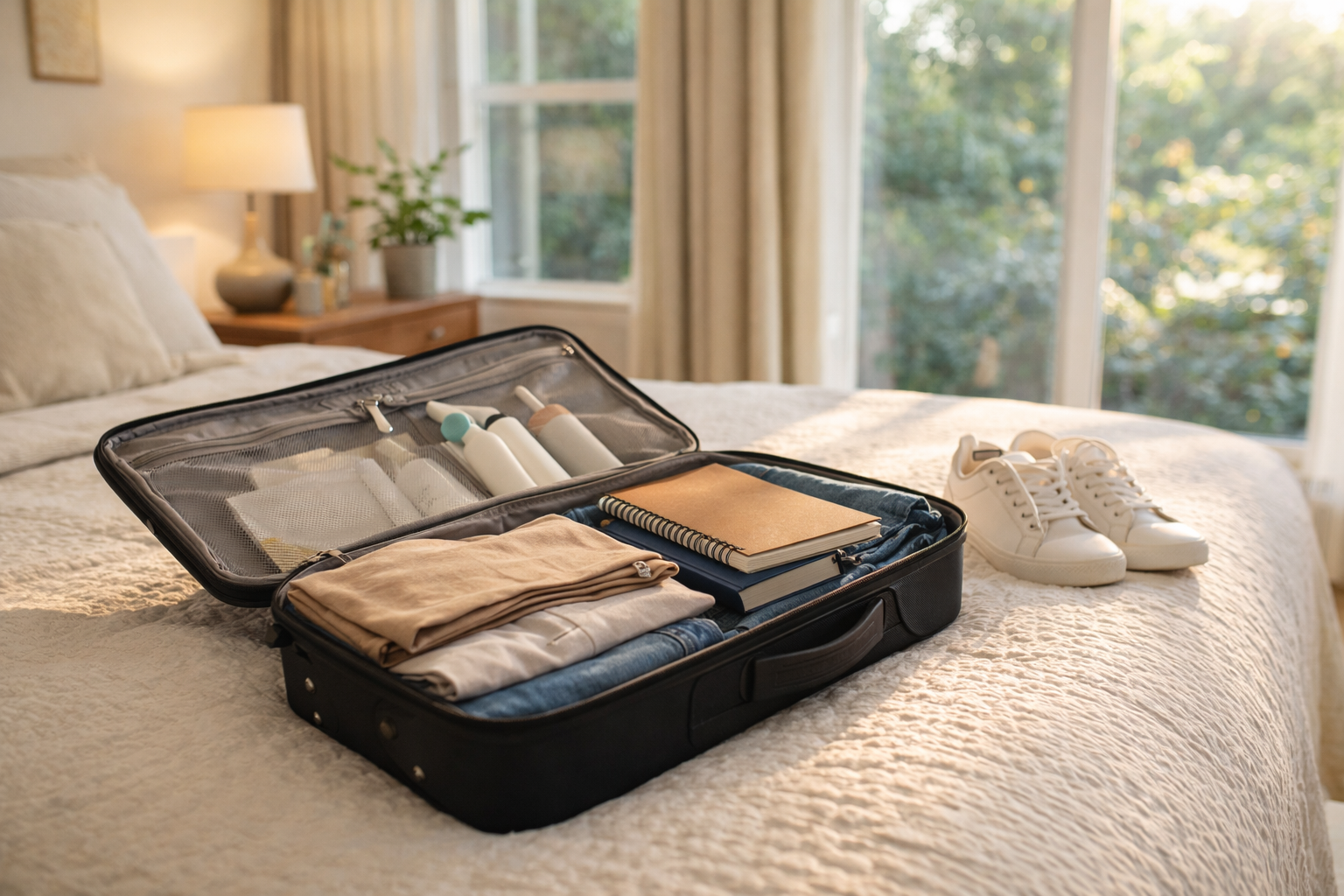
Packing for sober living is a little different than packing for a normal move. Most homes encourage residents to keep things simple and focus on essentials that support structure, stability, and recovery.


Whether you’re transitioning from treatment or moving directly into sober living, this guide can help you understand what to bring, and what to leave behind, when preparing for sober living.


Sober Living Packing Guide: Essentials You Should Bring

Most sober living homes provide basic furnishings like beds, couches, and kitchen appliances. However, residents are typically responsible for bringing their own personal items. Start by packing the everyday essentials you’ll need to live comfortably.


Clothing

Bring enough clothing for daily activities such as work, recovery meetings, and downtime.

Recommended items include:

  • Comfortable everyday clothing

  • Work clothes or professional attire if you’re employed

  • Workout or athletic clothes

  • Pajamas and lounge wear

  • Jacket or seasonal clothing

  • Shoes for daily wear and exercise


Because sober living homes often have shared laundry facilities, it’s usually best to pack one to two weeks of clothing rather than an entire wardrobe. Keeping things simple can help make the transition smoother.


Personal Hygiene and Self-Care Items

Maintaining personal hygiene and daily routines is an important part of early recovery. Be sure to bring personal care items such as:

  • Toothbrush and toothpaste

  • Shampoo and conditioner

  • Soap or body wash

  • Deodorant

  • Hairbrush or grooming tools

  • Skincare products

  • Towels and washcloths


Some sober living homes may provide basic supplies, but bringing your own ensures you have what you need to feel comfortable and settled. Self-care is an important part of recovery, and maintaining these daily habits helps build consistency and confidence.


Bedding and Personal Comfort Items

While most sober living homes provide beds and basic furniture, residents are often expected to bring their own bedding.


Helpful items include:

  • Bed sheets

  • Pillow and pillowcases

  • Comforter or blanket

  • Mattress topper (optional)


Adding small comfort items can help make the space feel more personal and welcoming.

For example:

  • A small framed photo

  • A favorite blanket

  • A simple decoration


These personal touches can help create a calm environment while still keeping the space uncluttered.


Recovery and Personal Growth Materials

Sober living homes are designed to support long-term recovery, so it’s helpful to bring items that support personal growth and reflection.


Many residents bring things like:

  • A journal or notebook

  • Recovery literature or books

  • Meditation materials

  • Personal affirmations or recovery tools


Journaling can be especially helpful during early recovery. Writing down thoughts, goals, and daily reflections allows residents to track progress and process emotions in a healthy way.


Some residents also bring materials used in recovery programs such as:

  • AA or NA literature

  • Workbooks from treatment programs

  • Notes from therapy or recovery meetings

These tools can support continued learning and growth while living in sober living.


Work or School Materials

Most sober living homes encourage residents to work, attend school, or participate in structured daily activities.


If you plan to work or study, be sure to bring items such as:

  • Laptop or tablet

  • Notebooks or work materials

  • Job search documents

  • School supplies


Rebuilding professional or educational goals is often an important step in recovery.

Having your tools organized can help you stay focused and motivated.


Important Personal Documents

It’s important to bring essential identification and personal documents with you when moving into sober living.


These may include:

  • Driver’s license or state ID

  • Social security card

  • Health insurance card

  • Medical documents

  • Prescription information

  • Emergency contact information


Some sober living homes may require these documents during the intake process, so it’s helpful to keep them organized in a folder or small document holder.


Basic Household Items

Many sober living homes provide shared kitchen supplies and household items, but bringing a few basics can be helpful.


Consider bringing:

  • Reusable water bottle

  • Coffee mug

  • Simple food containers

  • Laundry basket or laundry bag

  • Laundry detergent


These items help residents maintain daily routines and stay organized in a shared living environment.


What Not to Bring to a Sober Living Home

Just as important as knowing what to bring is understanding what not to bring. Most sober living homes have clear guidelines about prohibited items to maintain a safe and supportive environment for everyone.


Common items that are not allowed include:

  • Alcohol or drugs

  • Drug paraphernalia

  • Weapons

  • Pornographic material

  • Items associated with past substance use

  • Excessive valuables


Some homes may also limit large electronics, gaming systems, or items that could become distractions from recovery.


The goal is to create a space that encourages focus, accountability, and healing.

If you’re unsure about specific items, it’s always best to ask the sober living home directly before moving in.


Keep Packing Simple

Many people entering sober living are surprised to learn that less is often better.

Bringing too many belongings can make shared living spaces feel crowded and overwhelming.


Instead, focus on bringing what you truly need for daily life and recovery.

Sober living homes are designed to help residents rebuild structure and stability. Packing light allows you to focus on what matters most: your recovery.


Adjusting to Life in Sober Living

Moving into sober living represents an important step in the recovery journey.

The environment is designed to provide:

  • Structure

  • Peer support

  • Accountability

  • Stability during early recovery


Packing thoughtfully can help ease the transition and allow residents to focus on building healthy routines and relationships.


Over time, many residents find that sober living becomes more than just a place to stay, it becomes a community where growth and transformation are possible.


Taking the Next Step Toward Recovery

Preparing to move into sober living is an important step toward building a stable, healthy future. Packing thoughtfully can help make the transition smoother and allow you to focus on what matters most: strengthening your recovery.


If you or a loved one is exploring sober living in Los Angeles, Gracious Wellsprings provides supportive homes designed to help residents rebuild structure, accountability, and community.


👉 Learn more about our sober living homes or contact our team here to see if Gracious Wellsprings is the right next step in your recovery journey.


FAQ's: Moving Into a Sober Living Home


Q: What should you bring to a sober living home?

A: Most residents bring basic clothing, hygiene items, bedding, recovery materials, and personal documents. Keeping packing simple helps make the transition into sober living easier and more organized.


Q: Do sober living homes provide furniture?

A: Yes. Most sober living homes provide basic furnishings such as beds, couches, and kitchen appliances. Residents typically bring personal items like bedding, clothing, and toiletries.


Q: Can you bring a phone or laptop to sober living?

A: In most cases, yes. Phones and laptops are usually allowed and can be helpful for work, school, and staying connected with support networks. However, policies may vary by house.


Q: Are medications allowed in sober living homes?

A: Prescription medications are typically allowed but may need to be disclosed to house management. Some homes may require medications to be monitored or stored safely.


Q: How much should you pack for sober living?

A: Most residents bring one or two suitcases of essential belongings. Shared living environments work best when residents keep their belongings organized and minimal.


Q: Can you decorate your room in sober living?

A: Small personal touches like photos or simple decorations are usually allowed, but it’s best to keep things minimal and respectful of shared living spaces.


GW-logo-white-v1_0.5x.png

Your haven for healing and hope.

© 2024 Gracious Wellsprings.

All rights reserved.

Gracious Wellsprings stands as a beacon of hope, offering dignified and supportive sober living housing solutions. With a steadfast commitment to combating the harrowing grips of substance abuse, we provide a nurturing environment where individuals can rebuild their lives with compassion and community, while empowering residents to embrace sobriety and pursue fulfilling futures.

​

​

​

Gracious Wellsprings facilities are certified by

the National Alliance for Recovery Residences under the California Consortium of Addiction Program Professionals 

CCAPP_PRI_RGB_Wide_large-white-small.png
White-Logo-for-Recovery-Residences-Website-small.png
bottom of page